Wondering where to focus your search when you want more house, more yard, and a neighborhood that fits your next chapter? Grand Blanc stands out for Metro Detroit move-up buyers because it offers an established suburban feel, a range of housing styles, and regional access through I-75. If you are weighing space, commute, and lifestyle, this guide will help you understand how Grand Blanc’s neighborhoods tend to differ and what to watch for as you compare your options. Let’s dive in.
Why Grand Blanc draws move-up buyers
Grand Blanc is a compact city in southeast Genesee County, just south of Flint, with 8,091 residents across 3.61 square miles. Grand Blanc Charter Township surrounds it and brings the combined city-township population to about 47,500. That gives you a market with a local community feel, but also a broader area of neighborhoods, services, and everyday amenities.
For move-up buyers, the biggest story is maturity and variety. The city’s master plan notes that most buildable land has already been developed, so growth is now shaped more by infill, reinvestment, and downtown redevelopment than by brand-new large-scale expansion. In practical terms, that usually means you are shopping in an established market with distinct pockets instead of one uniform wave of new construction.
The numbers support that position. Census data shows a median owner-occupied housing value of $235,500, while a May 2026 market snapshot showed a median listing price of $339,900, 321 homes for sale, and a median of 31 days on market. Those figures measure different things, but together they point to a market with current buyer activity and enough range to support a move-up search.
What neighborhood patterns look like
Grand Blanc is easiest to understand when you break it into broad neighborhood types. The city’s future land-use plan says single-family homes are the predominant housing type, but it also makes clear that housing patterns change depending on where you look. That matters if you are moving up from a smaller home and want to be more strategic about trade-offs.
Older neighborhoods closer to downtown generally have smaller lots and smaller building footprints. Newer subdivisions, especially those near the golf course, tend to have larger lots. Mixed-residential areas can also include detached homes, duplexes, low-rise condos and apartments, and attached single-family homes.
About half of the city’s housing units were built in the 1960s and 1970s. That reinforces the idea that much of Grand Blanc is established rather than newly built. It can be a strong fit if you prefer mature streetscapes and a neighborhood layout that has been settled for years.
Established in-town neighborhoods
If you like being closer to downtown, the older in-town sections may be worth a close look. These areas often offer a more traditional street pattern, smaller lots, and homes with more modest footprints than newer subdivisions. For some buyers, that trade-off makes sense because it can bring you closer to parks, downtown destinations, and the city’s planned walkable core.
This part of the market can appeal to move-up buyers who want to improve location and character without necessarily maximizing lot size. If your priority is a more rooted, established setting, these neighborhoods can feel practical and connected. They are also a reminder that moving up does not always mean moving farther out.
Larger-lot subdivision pockets
If your move-up goal is more square footage, a bigger yard, or a newer neighborhood layout, Grand Blanc has options for that too. The city plan specifically notes that newer subdivisions, especially along the golf course, tend to have larger lots. That is one of the clearest neighborhood distinctions in the local housing stock.
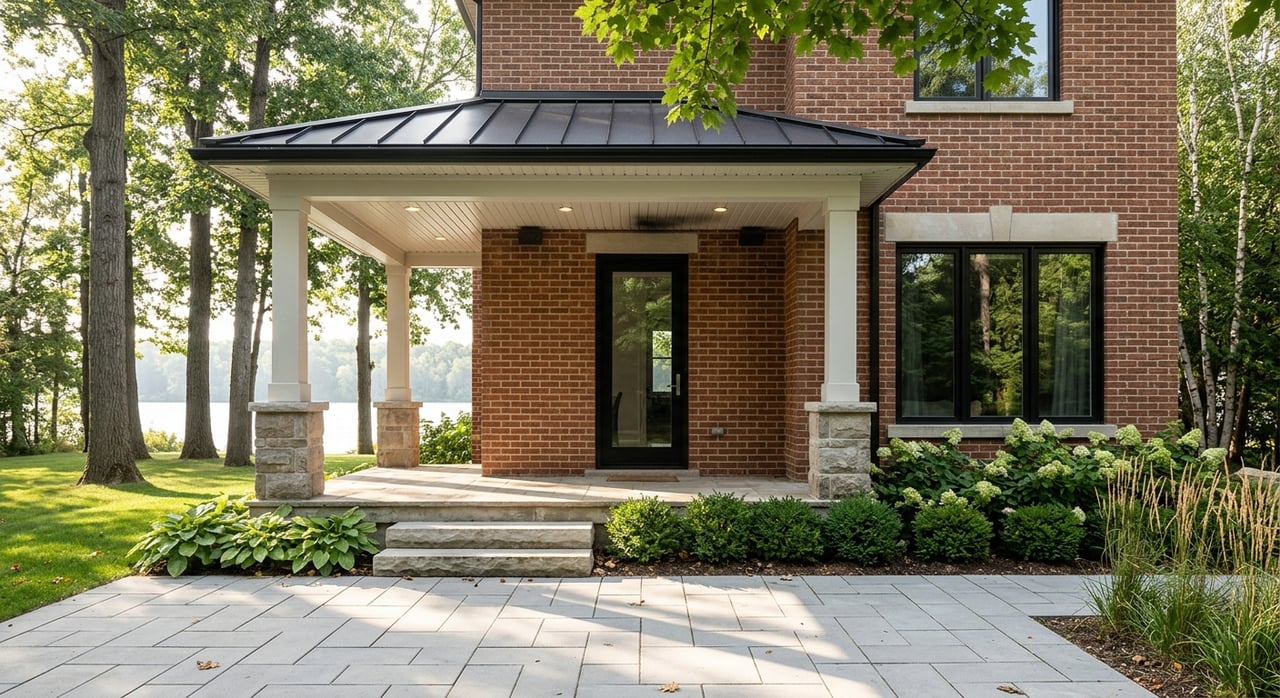
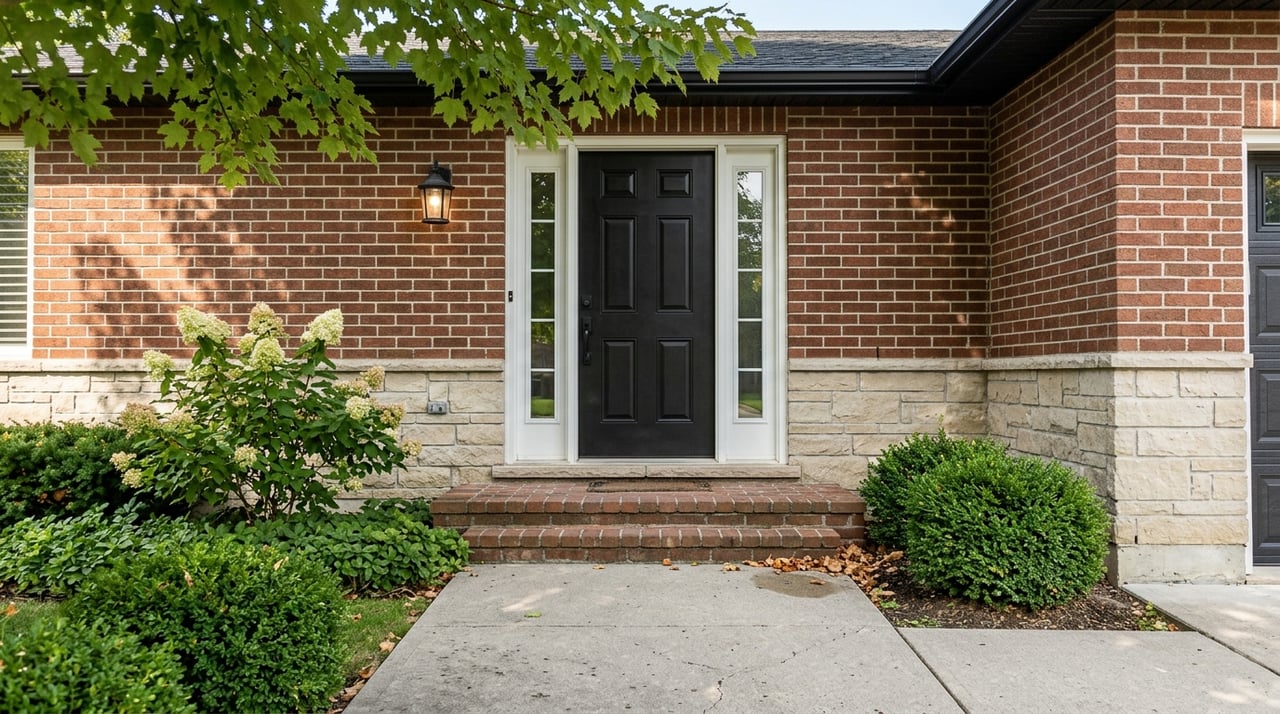
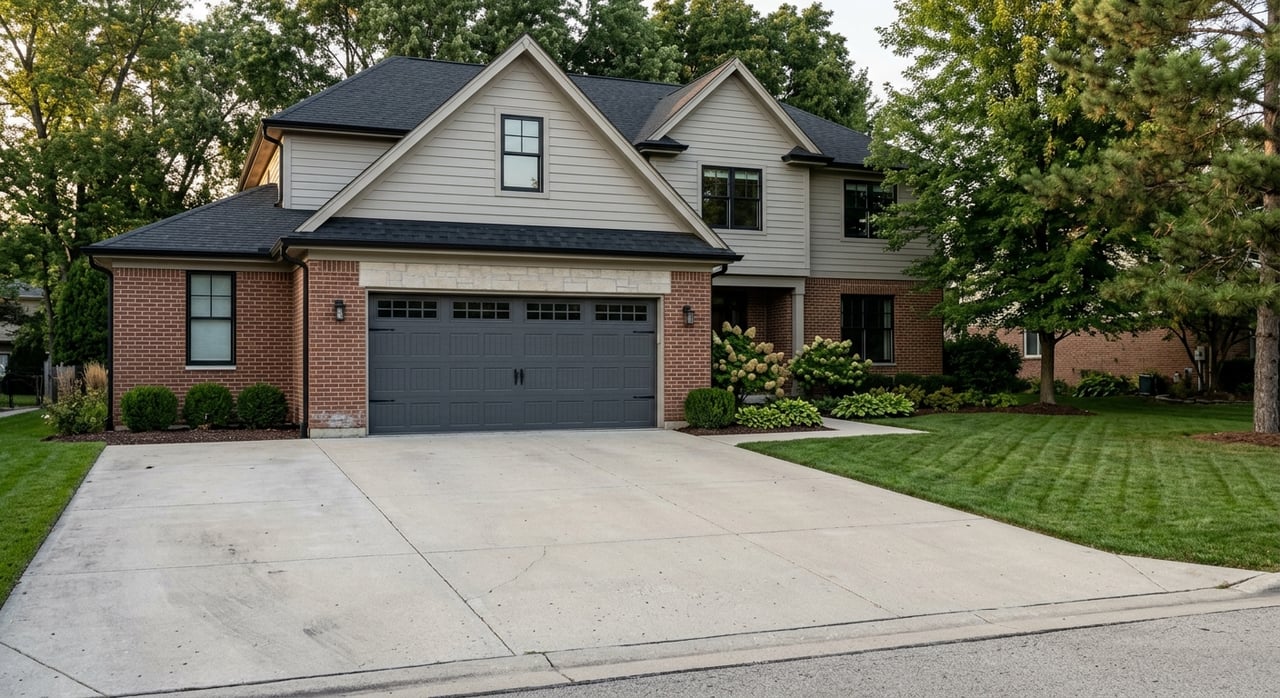
Current listings have shown detached homes on lots of roughly 0.35, 0.59, and 1.15 acres, along with brick ranches and colonials. That range matters because it shows Grand Blanc is not limited to one home type or one lot profile. You may be able to target the extra elbow room you want without leaving the market altogether.
For Metro Detroit buyers coming from denser suburban areas, this can be one of Grand Blanc’s strongest value points. You are often looking for more breathing room and a more comfortable everyday setup, and this segment of the market supports that search.
Condo and low-maintenance options
Not every move-up buyer wants a larger detached house with more exterior upkeep. Some want better finishes, more functional space, or a different lifestyle with less maintenance. Grand Blanc’s housing mix includes room for that as well.
The city plan allows for condo and attached-home living in mixed-residential areas, and current listings have included condo options around 1,353 to 1,919 square feet. That gives you a realistic low-maintenance path if you want to upgrade your living space without taking on a larger yard. It can also be useful if you are balancing busy work schedules, travel, or a simplified long-term plan.
Grand Blanc micro-areas matter
One of the biggest mistakes buyers make is treating Grand Blanc like a single neighborhood. In reality, it behaves more like a collection of smaller pockets with different feels and housing choices. Market pages have broken the area into micro-areas such as Downtown Grand Blanc, Circle Drive, Baker Park, and Uptown Grand Blanc.
That is useful because it reminds you to compare block-by-block patterns, not just ZIP code or city name. Two homes in Grand Blanc can offer very different experiences based on lot size, home age, access patterns, and proximity to downtown or major roads. A focused search strategy usually works better than a broad one here.
Commute and I-75 access
For many move-up buyers, Grand Blanc works because it supports a regional commuter lifestyle. The city master plan ties the area’s growth to I-75 and says the expressway provides convenient access to major employment and shopping centers in Flint, Auburn Hills, and other areas. Historically, the city has also been described in planning documents as a bedroom community.
That said, highway access is only part of the story. Census QuickFacts shows a mean travel time to work of 42.0 minutes for Grand Blanc city residents, compared with 26.9 minutes for Genesee County overall. That does not define every household, but it does suggest you should think carefully about your own daily routine before choosing a neighborhood pocket.
The smart way to evaluate Grand Blanc is to weigh both convenience and time. You may gain more house and more land, but you should still test your likely drive times, think about when you use I-75, and consider how often you need to reach Metro Detroit job centers. The right move-up decision is usually about fit, not just price per square foot.
Parks, downtown, and daily life
A move-up purchase is not just about the house. It is also about how your weekends and daily routines feel once you live there. Grand Blanc offers several local lifestyle anchors that can shape that experience.
The city lists Grand Blanc Commons, Physicians Park, Rust Park, Schram Park, Dennis Smith Park, and microparks as part of its parks and recreation system. Those spaces support a neighborhood-scale lifestyle where local parks are part of your normal rhythm. If you value nearby outdoor options, that can add everyday convenience without needing a major destination trip.
Downtown also plays an important role in the city’s long-term vision. The master plan calls for a mixed-use, walkable downtown with local retail, restaurants, cafes, civic uses, public spaces, and residential uses nearby. It also supports connections to downtown through sidewalks, pathways, and bike lanes.
The broader Grand Blanc area adds more practical amenities to that picture. The township profile highlights recreation activities, senior services, McFarlen Public Library, Heritage Museum, medical centers, restaurants, shopping, and Genesys Regional Medical Center. The township’s pathways and trails map also includes the Genesys Nature Trail and multiple multi-use pathways.
How to narrow your search
If you are serious about moving up into Grand Blanc, it helps to define your priorities before you start touring. This market tends to reward buyers who know what trade-offs they are willing to make. The more clearly you rank your needs, the easier it becomes to sort through the city’s different neighborhood pockets.
Start by asking yourself:
- Do you want a larger lot or a location closer to downtown?
- Do you prefer an established home or a newer subdivision feel?
- Would a condo or attached home fit your lifestyle better than a detached house?
- How often will you need I-75 for work or regular errands?
- Do parks, trails, and downtown access matter to your weekly routine?
Those questions can quickly point you toward the right segment of the market. They also help you avoid touring homes that look good online but do not match the way you actually want to live.
Why strategy matters in this market
Grand Blanc offers real variety, but that does not mean every available home is the right value for your next move. In an established market, condition, lot size, micro-location, and neighborhood context can make a big difference from one listing to the next. A move-up purchase usually works best when you compare homes through that local lens, not just by headline price.
That is where process matters. You want clear guidance on which neighborhood type best fits your goals, how to weigh space against commute, and how to move decisively when the right option appears. If you are planning your next move in Grand Blanc or anywhere across Southeast Michigan, Glover Agency can help you build a smart buying strategy with the local insight and execution to match.
FAQs
What types of neighborhoods can move-up buyers find in Grand Blanc?
- Grand Blanc generally offers three broad patterns: established in-town neighborhoods near downtown, newer subdivision pockets with larger lots, and condo or attached-home communities for lower-maintenance living.
How do Grand Blanc neighborhoods differ from each other?
- According to the city’s planning documents, older areas closer to downtown usually have smaller lots and smaller home footprints, while newer subdivisions, especially near the golf course, tend to have larger lots.
Is Grand Blanc a good fit for Metro Detroit commuters?
- Grand Blanc offers I-75 access to regional job and shopping centers, but commute fit depends on your work location, traffic timing, and how often you need to travel across the region.
Are there condo options in Grand Blanc for move-up buyers?
- Yes. The city’s housing mix includes condos and attached homes, and current listings have shown condo options in roughly the 1,353 to 1,919 square foot range.
What is the housing market like in Grand Blanc?
- Grand Blanc reads as an established suburban market with active demand. A May 2026 market snapshot showed a median listing price of $339,900, 321 homes for sale, and a median 31 days on market.
What amenities support daily life in Grand Blanc?
- Local amenities include city parks such as Grand Blanc Commons and Physicians Park, a planned walkable downtown environment, trails, library access, museum access, medical centers, and shopping and restaurant options in the broader Grand Blanc area.