Neighborhood Guide
Set along Michigan Avenue and I-94 in western Wayne County, Wayne is a practical, well-connected suburb about 25 miles west of downtown Detroit and 20 miles east of Ann Arbor. Bordered by Westland to the north, Inkster to the east, Romulus to the south, and Canton to the west, it puts residents within easy reach of the region's major employers, shopping corridors, and park systems.
With a classic small-town downtown, sturdy mid-century brick homes, and some of the most accessible price points in Metro Detroit, Wayne draws first-time buyers, commuters working at the Ford Michigan Assembly complex or Detroit Metro Airport, and investors looking for steady rental demand.
$171K–$176K
Typical Home Value
$180K–$185K
Median List Price
12–27 Days
Days on Market
100.4%
Sale-to-List Ratio
Wayne remains a competitive, highly affordable seller's market. Typical values sit well below the national median, standard three-bedroom ranches and bungalows list in the low $180s, and roughly 48.6% of homes sell above asking thanks to tight local inventory.
After years of steep post-pandemic growth, home values in Wayne have settled into a stable range, up roughly 0.3% year over year. That points to moderate, predictable appreciation rather than spike-and-drop cycles.
Limited housing stock across western Wayne County keeps listings scarce. Well-maintained homes still attract multiple offers from buyers looking for affordability close to major employment centers.
Low inventory prevents meaningful price pullbacks, while higher interest rates keep buyers price-sensitive. The result is a strong premium on move-in-ready homes over major fixer-uppers.
Move-in-ready homes under $200,000 often go under contract within 10 to 14 days, so a fully underwritten pre-approval, not just a pre-qualification, is essential before touring. Winning bids commonly land 1% to 3% over list, and escalation clauses or appraisal gap coverage can make the difference in a multi-offer situation.
Expect mostly 1950s to 1970s brick ranches, story-and-a-half bungalows, and Cape Cods with full or partial basements on quarter-acre lots. Because much of the housing stock is mid-century, inspections typically focus on electrical panels, roofs, plumbing, sewer lines, and basement waterproofing.
Wayne also has municipal inspection and disclosure requirements before occupancy, so clarify early whether the buyer or seller is responsible for any required repairs.
Low inventory gives sellers the edge, but local buyers are cost-conscious. Turnkey homes under $200,000 often see offers within the first 7 to 10 days. Neutral paint, refinished floors, updated fixtures, and strong curb appeal deliver the best return, along with highlighting a newer furnace, roof, electrical panel, or dry basement.
Pricing should rely on recent sales within Wayne and the 48184 zip code, where homes typically trade between $110 and $159 per square foot. Buyers often search by hard price filters, so a home listed at $199,900 reaches a far larger audience than one at $202,000.
Overpricing carries a real cost: listings that sit past 30 days often need a 3% to 5% reduction to regain interest.
Wayne is mostly car-dependent, with direct access to I-94, I-275, and Michigan Avenue. The Ford Michigan Assembly complex is 5 to 10 minutes away, DTW 10 to 15, Dearborn 15 to 20, and downtown Detroit or Ann Arbor roughly 25 to 35. SMART bus service, including the FAST Michigan express, connects Wayne to the airport and downtown Detroit, and the downtown core around Michigan Avenue and Wayne Road is walkable.
Most homes are served by Wayne-Westland Community Schools, which enrolls more than 9,000 students. Wayne Memorial High School offers AP courses, career-technical programs, and competitive athletics, and the William D. Ford Career-Technical Center provides vocational pathways in automotive technology, health sciences, manufacturing, and culinary arts. Private options such as St. Mary Catholic School are close by.
Goudy Park is Wayne's main civic gathering space, with walking paths, a canoe and kayak launch on the Lower Rouge River, and an amphitheater that hosts summer concerts. Neighborhood parks such as Attwood Park offer sports fields and playgrounds, while Hines Park's 15-plus miles of paved trails and Lower Huron Metropark are just a short drive away.
Downtown Wayne's social life centers on Michigan Avenue and the restored State Theatre, a landmark for affordable movie nights. The scene leans casual, with family diners, scratch-kitchen bistros, neighborhood taverns, and bowling lounges. For a wider range of cuisines, Dearborn and Canton are 10 to 15 minutes away.
Local storefronts, pharmacies, hardware stores, and service businesses line downtown, with everyday groceries in and around the city. Canton's Ford Road corridor (IKEA, Target, Meijer, Home Depot), the Westland shopping district, and Dearborn's Fairlane Town Center are all within about 15 minutes.
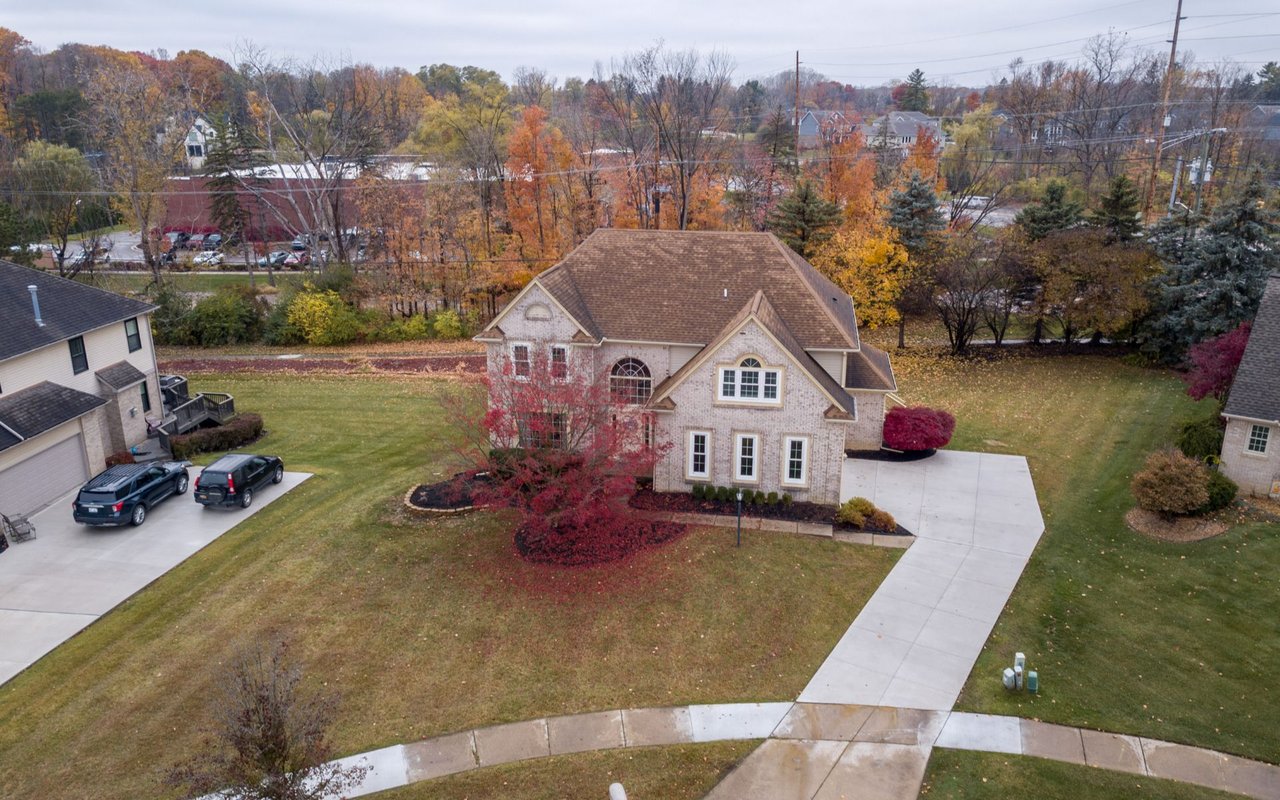
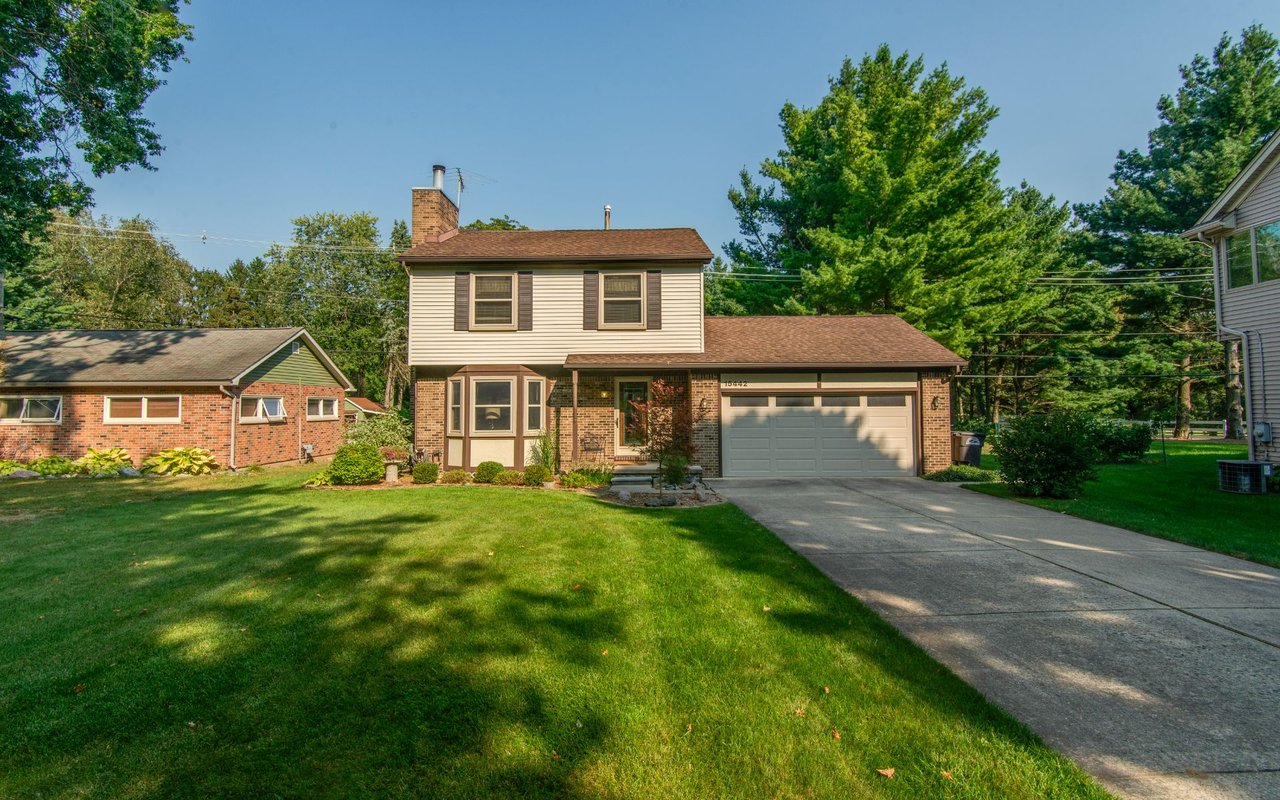
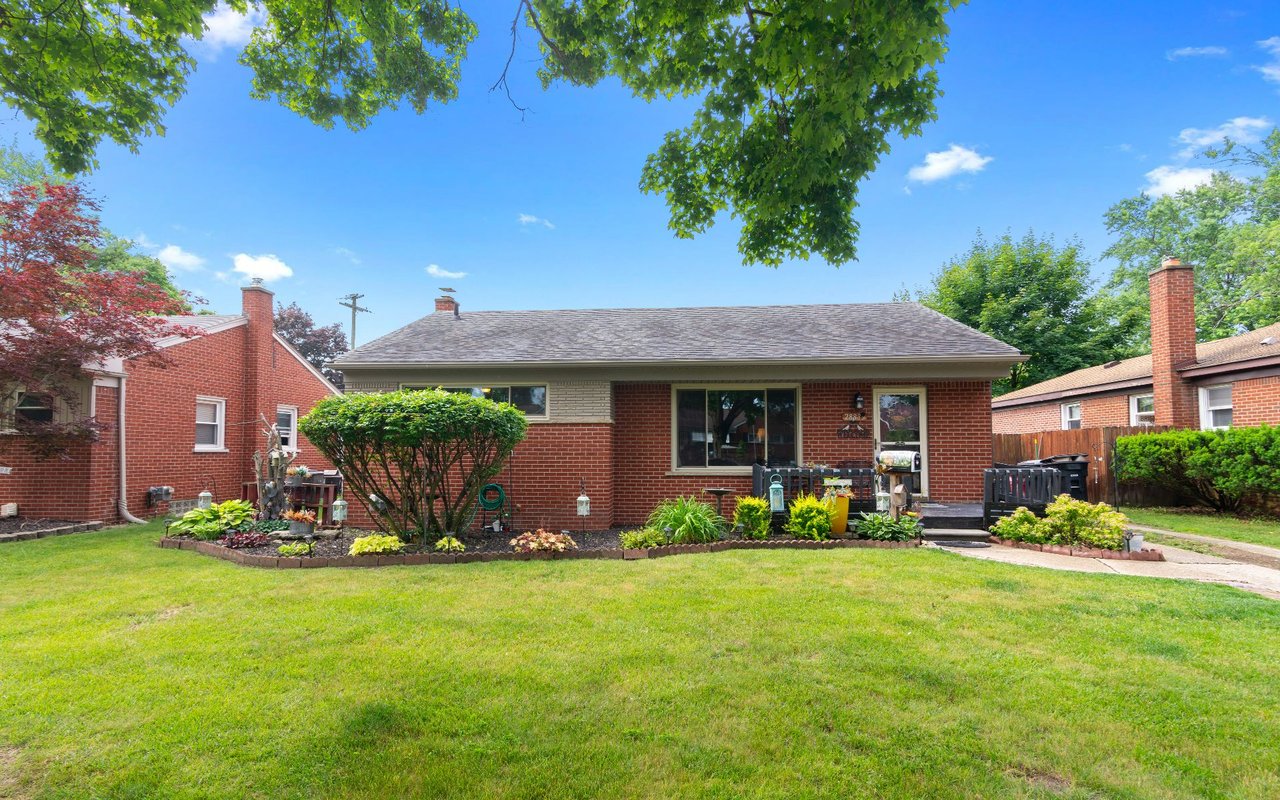
Post-war industrial growth shaped Wayne's housing. Single-story brick ranches from the 1950s to 1970s dominate, story-and-a-half bungalows and Cape Cods cluster near downtown, and split-levels and colonials of 1,400 to 1,800 square feet appear in later subdivisions. Most sit on 0.15 to 0.25 acre lots with mature trees, sidewalks, and basements.
Low entry costs and steady rental demand make Wayne an accessible market for investors, with tenants drawn by nearby automotive, airport logistics, and healthcare employers.
Rents average around $1,166 per month and have risen about 6% year over year. Paired with acquisition prices in the $170,000s and moderate suburban tax rates, that supports favorable cash flow.
Mid-century ranches and bungalows suit light-to-moderate cosmetic renovations. With few homes selling above $250,000 to $300,000, keeping budgets in line with the street is key to protecting margins.
Buying distressed homes under $120,000, adding about $30,000 in updates, then renting and refinancing on the improved value is a common path for local portfolio builders.
Contact us today for expert local advice, private tours, and guidance tailored to your goals. Whether you're navigating your first home purchase or upgrading to your ideal Wayne property, we’ll help you move with confidence in one of Michigan’s most sought-after markets.
The typical single-family home in Wayne sells between $170,000 and $185,000, with price per square foot ranging from $110 to $155. Move-in-ready 3-bedroom ranches generally sit near the middle of this range, while distressed or smaller starter homes sell under $140,000.
Wayne is a strong seller's market due to tight inventory across western Wayne County. Homes priced correctly routinely sell in under 3 weeks, with nearly half receiving multi-offer bids that land near or slightly above asking price.
Wayne County effective property tax rates average around 1.6% to 1.8% of a property's assessed market value. Michigan's Principal Residence Exemption (PRE) lowers property taxes significantly for primary homeowners compared to non-homestead properties or investment rentals. In addition, Michigan's Headlee Amendment caps annual taxable value increases until the home transfers ownership, at which point the taxable value resets ("uncaps") to equal the state equalized value (SEV).
Yes. The City of Wayne enforces local building and housing codes. When selling a home, sellers or buyers must handle a municipal Certificate of Occupancy (C of O) or transfer-of-repair agreement outlining any necessary repairs required by city ordinance prior to or shortly after closing.
Yes. Investors favor Wayne for its entry-level acquisition prices ($120,000–$175,000) and consistent rental demand driven by major local industrial employers like Ford Motor Company and logistics operations near Detroit Metropolitan Airport (DTW). Typical monthly single-family rents range from $1,150 to $1,450.
Any structural, electrical, plumbing, or mechanical work beyond minor cosmetic updates requires a permit through the City of Wayne Building Division. Homeowners pulling their own permits must reside in the dwelling and perform the physical labor themselves, while leased or investment properties strictly require a licensed Michigan contractor. Failing to pull permits can complicate future property sales, lead to stop-work orders, or result in administrative fines from the city ordinance department.
Under Michigan law, a property’s Taxable Value becomes "uncapped" in the calendar year following a sale, adjusting to match the State Equalized Value (SEV), which reflects half of the property's estimated market value. Buyers should prepare for potential tax bill increases compared to what the previous long-term owner paid, as local tax limits no longer protect the previous valuation. Submitting the mandatory Property Transfer Affidavit to the City Assessing Department within 45 days of closing prevents late filing penalties.
Yes, the City of Wayne enforces a mandatory "For Sale Inspection" program governed by the Building & Engineering Department. The property must be evaluated for compliance with basic safety and municipal property maintenance codes prior to transferring title. Any identified code violations must be resolved by the seller or formally assumed in writing by the buyer through a repair agreement before a Certificate of Occupancy is issued.
Most residential neighborhoods in Wayne sit comfortably outside high-risk flood zones, but properties situated near the Middle and Lower branches of the Rouge River require careful review. Homes falling within FEMA-designated Special Flood Hazard Areas (SFHA) will require buyers securing a conventional or government-backed mortgage to carry mandatory flood insurance. Reviewing the official FEMA flood map or obtaining an elevation certificate during the home purchase process helps clarify exact flood risk and insurance obligations.
Property lines in Wayne cannot be legally verified using simple curb measurements, physical fences, or digital GIS mapping overlays. Homeowners looking to build additions, erect fences, or install driveways must obtain a professional boundary survey from a licensed Michigan land surveyor. Additionally, structures and fences must comply with specific setback requirements and height restrictions established in the City of Wayne Zoning Code.
Start Your Property Search